by dorothy charles banks
The old man was like a character right out of a scary movie. Alone, no family or friends, he lived without fuss and complete anonymity in the roach infested house on Hollyvine Street. He never left his house. The 70-year-old was never seen going to the grocery store, to work, walking around the neighborhood or cutting his grass. Some of his neighbors speculated that someone brought groceries to him after dark, or heaven forbid, he devoured the roaches that scampered freely inside his house. This was the neighborhood joke. Of course, the guessing and wondering made no sense but some had fun with it. Some of his neighbors couldn’t mind their own business. They had to fill in the blanks with something, whether it was true or not.
The old man led a reclusive life until Pamela Austin and Matt Stone, two college students in search of a living subject to interview—heard about him. Pamela was writing a thesis was on the lifestyle of a recluse. It’s hard to imagine a recluse having a lifestyle. The old man living on Hollyvine was made to order. Matt knew that Pamela was scared to approach him by herself, so he decided to act as her “protector.”
Matt told Pamela that he heard about the recluse from a friend who lived in the neighborhood. Planning how they would approach the recluse they forgot one important factor: the old man himself. They didn’t know if he would agree to be interviewed, or if he would shoot them for having the balls to disturb him. It happens in movies. Why not in real life? A true recluse doesn’t like outside hassles, and people invading their privacy.
Matt and Pamela decided to visit the old man just to feel him out. Walking upon the porch they brushed aside tree limbs that had accumulated on the porch over a period of months, maybe years. Large trees surrounded both sides of the house that was in relatively good shape. Roaches of all sizes scurried wildly when they kicked branches. Pamela jumped, holding her mouth so she wouldn’t scream.
“I’m leaving,” she whispered to Matt. “I’ll find something else to write about!”
“We’re here now. We might as well see if he’ll talk to us.”
Pamela had never seen such a concentration of roaches in her life. A dark brown cockroach crawled feebly toward her at a tortoise pace. “It thinks I’m a piece of meat,” she whispered to Matt, who wanted to laugh. He wasn’t as scared of the roaches as Pamela.
Pamela’s legs went into convulsions as she excitedly shook off roaches trying to crawl up her legs. A cockroach landed on its back, too weak and dazed to regain an upright position. It just lay there like it was playing dead. From a tattered, sparsely curtained window, a man watched them on his porch. He must have been amused by their fear of the roaming roaches. They heard his high pitched laughter behind the door. The window he stood in was framed by roaches inside and outside. Matt knocked on the door.
The old man disappeared from the tattered curtain. They could hear him jostling around inside. He didn’t acknowledge Matt’s knocking on the door. Thinking the old man was still in the living room, Matt asked him if he would come to the door. It was quiet inside. The old man didn’t look out the window again. They had a feeling he was still watching them.
“I don’t think he is going to answer the door,” Pamela whispered. “We might have pissed him off.”
They left but they weren’t going to let the old recluse shake their determination to interview him. They hounded the old man for a week. He finally opened the door and consented to be interviewed. He told them that they had better hurry, because he wasn’t going to stand for nosy outsiders “poking roun’ in my business.” He didn’t make them feel welcomed.

The first visit was hair raising. The rancidness inside the
house was a silent discourager. Pamela was tempted to call off the interview
before it begin. Both of them talked with their hands covering their nose and
mouth. Roaches crawled over them, under them, around them, all displaying
perfectly bad manners. In the middle of the room Pamela noticed a pillow on the
dirty carpet. The dingy pillowcase was covered by roaches.
The old recluse, dressed in a dirty shirt and pants and barefoot, was oblivious to the roaches and the howling stench in his house. His fingernails and toenails were long and dirty. He had no electricity. He used two lamps for lighting. One was sitting on a small table that had seen its better days, and the other one sitting in a corner. They didn’t dare ask him why he had no electricity. Pamela decided she would bring her flashlight the next visit.
By the third visit Matt was concerned about the affect the roaches, the smell, and the old man’s body odor was having on Pamela. She tried hard not to inhale but she couldn’t hold her breath and talk simultaneously. They learned that the old recluse’s name was Rufus Diggers, 75. He was light skinned, probably weight 145 to 150 pounds, tall and slender with no body definition. Pamela guessed that he was about 5 feet 7 inches tall. The lamp light wasn’t bright enough to tell what color his eyes were. She could see that his graying hair was shoulder length and matted, as was his long beard. This old man is ready for a role in a horror movie, she thought to herself. She couldn’t guess how old he was. She assumed her was around 70, maybe older.
She could see that the old recluse’s stubby teeth had not been brushed in a very long time. Pamela, more than Matt, was curiously fascinated with Rufus Diggers. He didn’t make them feel welcome. To add to her apprehension, Pamela saw a gray cat enter the room, purring, looking straight at her. It walked over to her and rubbed against her leg, still purring.
Oh, God! All I need is a germy cat rubbing against my leg, roaches on my shoes trying to crawl up my legs! “Nice cat,” she said to Diggs. He didn’t respond. “Now call this damn ball of matted fur off me! Pamela thought to herself. She didn’t like cats.
One evening Pamela told Matt that she had a solution to protecting themselves from the roaches. “How about having jumpsuits made to cover us from head to toe? That way the roaches can’t get to us. We can tell him it's a uniform the school require us to wear. We have to wear a gas mask to wipe out the smell! We can make up something later about the masks.”
“What if Mr. Rufus tells us not to come back? You have a few more interviews to go. You don’t want to piss him off more than he already is.”
“Right. These damn roaches and Mr. Rufus are giving me nightmares.”
“It’s like being in the Twilight Zone. I like the old guy. He’s got a shitty attitude, but I like him.”
“Yeah. He’s weird like you. I got an aunt who sews. She can make the jumpsuits. Ol’ Rufus won’t know the difference.”
After leaving Rufus’s house Pamela called her aunt, telling her what she wanted. They went to her aunt’s house. Pamela told her that they wanted simple jumpsuits with tapered legs and sleeves and hoods. Pamela’s aunt had enough light gray material to make the outfits in a couple of hours. They could pick them up the next day, she told them.
That night Pamela had her first bad dream about roaches. Even the cat showed up. She dreamed that thousands of roaches attacked her, devouring her flesh, crawling inside her eyes and mouth, exiting out of her ears. She woke up, a scream stuck in her throat. Even though she was in the safety of her apartment that she shared with a roommate, she was too scared to open her eyes for 10 minutes. The next day she told Matt about her dream. He laughed and told her about a dream he had.
“Roaches don’t eat people except in a movie,” Matt said, laughing.
They changed into the jumpsuits at her aunt’s house. She noticed a red bump on her right arm. A roach must have bitten me, she thought to herself. Their new look didn’t puzzle Rufus. Pamela talked to him for an hour. That is as long he was willing to talk. He sat in the only chair in the empty room. Matt and Pamela had to stand, which they preferred to do anyway. He had given her permission to use her flashlight so she could see to write her notes.
Leaving the house Pamela said, “The roaches seem to be multiplying. They give me the creeps, even with this jumpsuit on. The way they starred at us was unnerving! That cat is creepy too! I thought it was going to start humping my leg!”
“I think that cat likes you. Dogs hump legs, not cats!” As they got into the car, one of Rufus’s neighbors hurriedly walked towards them, beckoning for them to wait.
“Hello. My name is Cleo Louise,” she said, catching her breath. “I’m one of Mr. Diggers neighbors. Been knowing Rufus for years. He changed so much since his wife passed. Poor dear had cancer. She died about 10 years ago right in this house. Rufus haven’t been the same since. He don’t come out that house for nothing. Oh, look at me! I’m just rambling on and on like we know each other! I don’t usually run my big mouth this much!”
They smiled at Cleo. “Happy to meet you. My name is Pamela and this is Matt. We’re college students.”
“I was wondering who you was, ‘cause Rufus don’t have no company. I’m surprised he let you in his house. I live two houses from here on the other side of the street. Rufus sold and gave away every stick of furniture they had when his wife died. They had some nice stuff, too! He took her death hard. Poor man lost interest in everything and everybody. I’m not trying to be nosy or anything, but why are you two visiting Rufus so much? Is he sick? I’d be glad to look after him.”
“No. We’re interviewing him for a paper I’m writing. He talks to us for an hour, and then he gets impatient. We take that as our cue to leave.”
Fanning herself, Cleo Louise said, “Like I said, I’m not trying to be nosy. I was just wondering if anything is wrong with Mr. Diggers. We all get a little concerned about him, because he never leaves the house. I think his only daughter brings him groceries about once a month. She comes after midnight. I guess she works late. I just happen to see her one night. Rufus used to be so friendly and outgoing. He was good looking, too. Had a head full of curly hair. He sure did. You know what?” she asked, turning to Matt. “You sure look familiar. I swear I seen you before.”
“Yes ma’am,” Matt said, looking at his watch. “I don’t think you know me. Well, we have to go. It was nice talking to you.”
“You’re welcome. Like I said I’m not nosy. I was just wondering if Mr. Diggers is sick or something. You two have a good evening.”
“You too,” Pamela said, wanting to laugh at the woman’s obvious nosiness. “I bet she hasn’t tried to talk to Mr. Diggers is years!”
The old recluse, dressed in a dirty shirt and pants and barefoot, was oblivious to the roaches and the howling stench in his house. His fingernails and toenails were long and dirty. He had no electricity. He used two lamps for lighting. One was sitting on a small table that had seen its better days, and the other one sitting in a corner. They didn’t dare ask him why he had no electricity. Pamela decided she would bring her flashlight the next visit.
By the third visit Matt was concerned about the affect the roaches, the smell, and the old man’s body odor was having on Pamela. She tried hard not to inhale but she couldn’t hold her breath and talk simultaneously. They learned that the old recluse’s name was Rufus Diggers, 75. He was light skinned, probably weight 145 to 150 pounds, tall and slender with no body definition. Pamela guessed that he was about 5 feet 7 inches tall. The lamp light wasn’t bright enough to tell what color his eyes were. She could see that his graying hair was shoulder length and matted, as was his long beard. This old man is ready for a role in a horror movie, she thought to herself. She couldn’t guess how old he was. She assumed her was around 70, maybe older.
She could see that the old recluse’s stubby teeth had not been brushed in a very long time. Pamela, more than Matt, was curiously fascinated with Rufus Diggers. He didn’t make them feel welcome. To add to her apprehension, Pamela saw a gray cat enter the room, purring, looking straight at her. It walked over to her and rubbed against her leg, still purring.
Oh, God! All I need is a germy cat rubbing against my leg, roaches on my shoes trying to crawl up my legs! “Nice cat,” she said to Diggs. He didn’t respond. “Now call this damn ball of matted fur off me! Pamela thought to herself. She didn’t like cats.
One evening Pamela told Matt that she had a solution to protecting themselves from the roaches. “How about having jumpsuits made to cover us from head to toe? That way the roaches can’t get to us. We can tell him it's a uniform the school require us to wear. We have to wear a gas mask to wipe out the smell! We can make up something later about the masks.”
“What if Mr. Rufus tells us not to come back? You have a few more interviews to go. You don’t want to piss him off more than he already is.”
“Right. These damn roaches and Mr. Rufus are giving me nightmares.”
“It’s like being in the Twilight Zone. I like the old guy. He’s got a shitty attitude, but I like him.”
“Yeah. He’s weird like you. I got an aunt who sews. She can make the jumpsuits. Ol’ Rufus won’t know the difference.”
After leaving Rufus’s house Pamela called her aunt, telling her what she wanted. They went to her aunt’s house. Pamela told her that they wanted simple jumpsuits with tapered legs and sleeves and hoods. Pamela’s aunt had enough light gray material to make the outfits in a couple of hours. They could pick them up the next day, she told them.
That night Pamela had her first bad dream about roaches. Even the cat showed up. She dreamed that thousands of roaches attacked her, devouring her flesh, crawling inside her eyes and mouth, exiting out of her ears. She woke up, a scream stuck in her throat. Even though she was in the safety of her apartment that she shared with a roommate, she was too scared to open her eyes for 10 minutes. The next day she told Matt about her dream. He laughed and told her about a dream he had.
“Roaches don’t eat people except in a movie,” Matt said, laughing.
They changed into the jumpsuits at her aunt’s house. She noticed a red bump on her right arm. A roach must have bitten me, she thought to herself. Their new look didn’t puzzle Rufus. Pamela talked to him for an hour. That is as long he was willing to talk. He sat in the only chair in the empty room. Matt and Pamela had to stand, which they preferred to do anyway. He had given her permission to use her flashlight so she could see to write her notes.
Leaving the house Pamela said, “The roaches seem to be multiplying. They give me the creeps, even with this jumpsuit on. The way they starred at us was unnerving! That cat is creepy too! I thought it was going to start humping my leg!”
“I think that cat likes you. Dogs hump legs, not cats!” As they got into the car, one of Rufus’s neighbors hurriedly walked towards them, beckoning for them to wait.
“Hello. My name is Cleo Louise,” she said, catching her breath. “I’m one of Mr. Diggers neighbors. Been knowing Rufus for years. He changed so much since his wife passed. Poor dear had cancer. She died about 10 years ago right in this house. Rufus haven’t been the same since. He don’t come out that house for nothing. Oh, look at me! I’m just rambling on and on like we know each other! I don’t usually run my big mouth this much!”
They smiled at Cleo. “Happy to meet you. My name is Pamela and this is Matt. We’re college students.”
“I was wondering who you was, ‘cause Rufus don’t have no company. I’m surprised he let you in his house. I live two houses from here on the other side of the street. Rufus sold and gave away every stick of furniture they had when his wife died. They had some nice stuff, too! He took her death hard. Poor man lost interest in everything and everybody. I’m not trying to be nosy or anything, but why are you two visiting Rufus so much? Is he sick? I’d be glad to look after him.”
“No. We’re interviewing him for a paper I’m writing. He talks to us for an hour, and then he gets impatient. We take that as our cue to leave.”
Fanning herself, Cleo Louise said, “Like I said, I’m not trying to be nosy. I was just wondering if anything is wrong with Mr. Diggers. We all get a little concerned about him, because he never leaves the house. I think his only daughter brings him groceries about once a month. She comes after midnight. I guess she works late. I just happen to see her one night. Rufus used to be so friendly and outgoing. He was good looking, too. Had a head full of curly hair. He sure did. You know what?” she asked, turning to Matt. “You sure look familiar. I swear I seen you before.”
“Yes ma’am,” Matt said, looking at his watch. “I don’t think you know me. Well, we have to go. It was nice talking to you.”
“You’re welcome. Like I said I’m not nosy. I was just wondering if Mr. Diggers is sick or something. You two have a good evening.”
“You too,” Pamela said, wanting to laugh at the woman’s obvious nosiness. “I bet she hasn’t tried to talk to Mr. Diggers is years!”
“She knows about his hair and good looks. She probably tried to hit on him after his wife died.”
“He had a head full of curly hair. He sure did,” Pamela said, mocking Cleo, a middle aged woman.
Matt dropped Pamela at her apartment. She wasn’t sleepy, so she read her notes, making sure she was getting the information she needed. After a couple of hours she laid across her bed. She fell asleep. Her dream evolved into a nightmare. It was so authentic she could feel the roaches biting into her flesh. She woke up and turned on the TV. She decided that she needed only one more interview to tie up all loose ends. She had one week to finish her paper and turn it in. Summer courses were shorter and faster.
The next day she told Matt this was the last interview. “I have enough. Mr. Diggers is getting tired of us. And I’m tired of his pet cat and ill-mannered roaches!”
“Sure you’ve got enough?”
“Yeah. It’s going to take me a day or two to write at least 10 to 15 pages. Professor Murray doesn’t play! The man shows no mercy on his students. Write a complete paper or get an F.”
On the last visit Matt asked Rufus a few questions. Pamela completed the interview. They thanked Rufus. He nodded his head. They hurried out the door, anxious to shake the roaches off their shoes and pant legs.
“I’m going to throw away my suit. What you doing with yours?”
“I might keep it. I don’t know.”
Pamela took a shower. Balled up the jumpsuit and threw it in the trash. She fixed a sandwich, took out her notes and turned on the TV. It was around 8:30 and her roommate was getting ready to go on a date.
“Ellen do you ever do homework? How do you pass your classes?”
“That’s why I don’t worry about it. I pay someone to do my research and write for me.
Stressing is for you. That’s not my idea of having
fun.”
“You’re going to get caught one of these days.”
“I’ll worry about that when it happens.”
Around midnight Pamela put on her favorite t-shirt that she sleeps in. She took the sleeping pill that Matt gave her. He told her she would sleep through the night and not be disturbed by another nightmare. She was tired, so the pill took affect within 30 minutes. The nightmare didn’t fall asleep with her. Realism was soon controlling her roach infested dream. She could feel the roaches starring at her as they circled her bed. She swatted at them in her sleep.
She struggled to wake up. “That is some powerful pill,” she mumbled to herself. “Phew! Smells like roaches in this room!”
She sat on the side of her bed, gasping for fresh air. She suddenly noticed that the floor was cold and gritty. Her apartment was carpeted. She reached to turn on the lamp next to her bed. It wasn’t there. No nightmare can be this real, she thought, rubbing the sleep out of her eyes.
Suddenly, she heard someone come into her room. “Ellen is that you? My lamp disappeared. I can’t see my hand in front of me!” Ellen didn’t answer. Pamela reached for the lamp again. There was no table or lamp. “What the hell?” she asked out loud. “Ellen stop kidding and turn on the light.”
Ellen didn’t move or answer. Pamela was getting nervous. She had no idea who was in the room with her if it wasn’t Ellen. This was all she needed: a silent burglar, maybe a rapist/murderer, and she was without a weapon to fight him off. In fact, this wasn't her room!
She stood next to what she thought was her bed. “Who’s in here? What do you want? I have a gun in my hand! I know how to use it!” The voice in the darkness finally spoke, erasing Pamela’s fear of a burglar, rapist or murderer.
“It’s me. Matt.”
“What are you doing in my room? How did you get in here! Turn on the light! You scared the hell out of me!” Pamela felt comfortable knowing it was her pal Matt in the room. “Does it smell like Mr. Diggers house in here? My carpet feels hard and gritty.” There were no roaches or creepy, crawling creatures in my apartment.
“Sorry I scared you,” Matt said calmly, still standing in the dark.
“Turn on the light! How did you get in here? You don’t have a key. Remind me tomorrow to get some disinfectant for this place! Ellen must have left some leftover food under her bed again! It smells awful in here! My lamp took legs and walked off!”
Matt didn’t answer. He didn’t turn on the light. Pamela noticed that it was darker than usual in her room. A streetlight near the apartment complex diluted the darkness in her room. She saw no hint of light.
“Matt are you sure that’s you? You’re acting so strange. I can’t figure out why I’m standing here in the dark talking to you, and my feet are on a hard floor. She walked toward the wall switch to turn on the light.
She thought she was still asleep, and Matt had become part of her nightmare. He walked over to her and pushed her back onto the full-size bed. “Okay, Matt. Stop with the bullshit and switch on the light.” She was full of questions that were not getting answers.
“Don’t be scared,” Matt said, lit a lamp. He sat next to Pamela.
“This is not my apartment! What the hell is going on?”
“You’re not at your apartment. Remember when you promised to help me if I helped you? Well, I’m ready to do research for a short story I’m writing for a science fiction magazine.”
“You’re going to get caught one of these days.”
“I’ll worry about that when it happens.”
Around midnight Pamela put on her favorite t-shirt that she sleeps in. She took the sleeping pill that Matt gave her. He told her she would sleep through the night and not be disturbed by another nightmare. She was tired, so the pill took affect within 30 minutes. The nightmare didn’t fall asleep with her. Realism was soon controlling her roach infested dream. She could feel the roaches starring at her as they circled her bed. She swatted at them in her sleep.
She struggled to wake up. “That is some powerful pill,” she mumbled to herself. “Phew! Smells like roaches in this room!”
She sat on the side of her bed, gasping for fresh air. She suddenly noticed that the floor was cold and gritty. Her apartment was carpeted. She reached to turn on the lamp next to her bed. It wasn’t there. No nightmare can be this real, she thought, rubbing the sleep out of her eyes.
Suddenly, she heard someone come into her room. “Ellen is that you? My lamp disappeared. I can’t see my hand in front of me!” Ellen didn’t answer. Pamela reached for the lamp again. There was no table or lamp. “What the hell?” she asked out loud. “Ellen stop kidding and turn on the light.”
Ellen didn’t move or answer. Pamela was getting nervous. She had no idea who was in the room with her if it wasn’t Ellen. This was all she needed: a silent burglar, maybe a rapist/murderer, and she was without a weapon to fight him off. In fact, this wasn't her room!
She stood next to what she thought was her bed. “Who’s in here? What do you want? I have a gun in my hand! I know how to use it!” The voice in the darkness finally spoke, erasing Pamela’s fear of a burglar, rapist or murderer.
“It’s me. Matt.”
“What are you doing in my room? How did you get in here! Turn on the light! You scared the hell out of me!” Pamela felt comfortable knowing it was her pal Matt in the room. “Does it smell like Mr. Diggers house in here? My carpet feels hard and gritty.” There were no roaches or creepy, crawling creatures in my apartment.
“Sorry I scared you,” Matt said calmly, still standing in the dark.
“Turn on the light! How did you get in here? You don’t have a key. Remind me tomorrow to get some disinfectant for this place! Ellen must have left some leftover food under her bed again! It smells awful in here! My lamp took legs and walked off!”
Matt didn’t answer. He didn’t turn on the light. Pamela noticed that it was darker than usual in her room. A streetlight near the apartment complex diluted the darkness in her room. She saw no hint of light.
“Matt are you sure that’s you? You’re acting so strange. I can’t figure out why I’m standing here in the dark talking to you, and my feet are on a hard floor. She walked toward the wall switch to turn on the light.
She thought she was still asleep, and Matt had become part of her nightmare. He walked over to her and pushed her back onto the full-size bed. “Okay, Matt. Stop with the bullshit and switch on the light.” She was full of questions that were not getting answers.
“Don’t be scared,” Matt said, lit a lamp. He sat next to Pamela.
“This is not my apartment! What the hell is going on?”
“You’re not at your apartment. Remember when you promised to help me if I helped you? Well, I’m ready to do research for a short story I’m writing for a science fiction magazine.”
“What is the story about? Am I still dreaming and we’re in a strange room?”
“No, you’re not dreaming. The sooner you cooperate the sooner I can take you back to your apartment. It’s an experiment.”
“Back to my apartment? What are you talking about?” Pamela’s thoughts were now going haywire. How did he get her out of her apartment without her knowing about it? “This is some crazy bullshit!”
It seemed that Matt, who she had known for four years, was reading her mind. “You probably want to know how you got here. Wednesday when we were in the mall I asked you for your apartment key. I had a copy made. You didn’t ask why I wanted it. I had some sleeping pills and I gave you one the day you said that was the last interview. I told you the pill would stop your nightmares for that night."
“But . . .”
“I called you about 1:00. I hoped you would be sleep by then. I saw Ellen earlier and she said she was spending the night with a friend. I sneaked into your apartment and brought you here. No one saw us. I held you up, so it looked like you were walking on your own.”
“You dressed me?”
“Had to.”
Pamela screamed when a large cockroach attempted to run up her leg. “Where am I? It smells like the Mr. Digger’s house. It’s not your apartment!” She did not hear Matt say he sneaked her out of her apartment.
For the first time since she has known Matt she didn’t trust him. Being in this strange room talking about an experiment was totally out of whack. She saw two shoe boxes sitting in a corner. There was no furniture in the room except for the bed with the musty white sheet covering the mattress. Pamela felt dirty, and wondered if she smelled like the rancid room. The heavy stench reminded her of the first day she and Matt visited Rufus. She heard someone walk into the bedroom.
“How’s it coming, son?” the familiar voice asked.
Pamela’s heart almost jumped out of her chest as she starred at Rufus Diggers. The strange room, the smell, the darkness at her apartment, the gritty floor, Matt giving her a sleeping pill was all coming together. What was Rufus doing in the same room with her and Matt. Why was he calling Matt “son”?
“It’s Mr. Diggers!” Pamela almost shouted. “Oh, my God! What is going on here? You’re scaring me, Matt!”
“Don’t worry,” Matt assured her. “He’s harmless. He’s my dad.”
“Your what!? What are you talking about?”
“My dad,” Matt repeated. “He’s helping with my experiment. How long do you think it will take, Dad?”
“Can’t tell, son.”
“I want to go home tight now, Matt! You’re scaring me again! If this is a joke I don’t think it’s funny.”
“No joke, Pamela. This is serious. Just like when we were interviewing him. We planned it. My dad pretended like he didn’t want to talk to us.”
“Ready, son?” Rufus asked. “You hold her down while I tape her up.”
Pamela suddenly realized that Matt and his father were going to tape her arms, legs and mouth so she couldn’t move or scream. She struggled to break free of Matt’s hold on her arms. Rufus was taped her arms behind her back, then her ankles. Her struggling was useless. No audible screams were forthcoming out of her tape mouth. She was crying. Her eyes pleaded with Matt to stop the nonsense. Or if it was a nightmare, please God let me wake up!
“Don’t fight, Pam. You promised to help me.”
Matt took two sleeping pills out of the bottle in his hands. He removed the tape from her mouth, forcing her to take the pills. Water spilled on her chest as she shook her head from side to side. She fought and tried to scream. Matt quickly taped her mouth again. Rufus was laughing at Pamela’s struggle to break free. She closed her eyes, still wishing and hoping this was a nightmare that she would wake up from.
Why are you doing to me, Matt? Pamela eyes asked Matt. She suddenly remembered the nosy neighbor tell Matt that he looked familiar. She had seen coming to the house late at night.
“We’re not going to hurt, Pam. You wouldn’t have cooperated if I told you the truth. I really hated fooling you.”
Pamela was getting sleepy. She fought to stay awake. Her drowsy mind was trying to find a way to free her hands. She fell asleep with her eyes asking Matt: Why are you doing this to me? He was holding the lamp close to her face. He could see her eyes. He ignored the question.
“I know you’re still a little asleep. That was a strong sleeping pill. I want to tell you what my science fiction story is be about.” Pamela was almost out like a light. “You’re going to love it when you read it.”
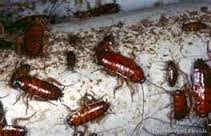
“Ready, son?” Rufus asked. He opened one of the shoes boxes,
sitting it on the bed next to Pamela. He and Matt watched as the multi-sized
roaches scampered out the box and who crawled onto Pamela’s sleeping body. Rufus
opened the second box of larger roaches. He stepped back, giggling to himself, standing
next to Matt.
“This experiment will unravel a mystery for me,” Matt said to Pamela, keeping his distance from the bed. He didn’t want to distract the roaches. “I’m trying to find out if roaches will eat human flesh when they’re really hungry. I won’t let them hurt you too much. I just want to enough information make my story interesting. I’m sure you’ll understand. What’s a few roach bites between friends?”
“This experiment will unravel a mystery for me,” Matt said to Pamela, keeping his distance from the bed. He didn’t want to distract the roaches. “I’m trying to find out if roaches will eat human flesh when they’re really hungry. I won’t let them hurt you too much. I just want to enough information make my story interesting. I’m sure you’ll understand. What’s a few roach bites between friends?”
(c) by 1980 by dorothy charles banks


